
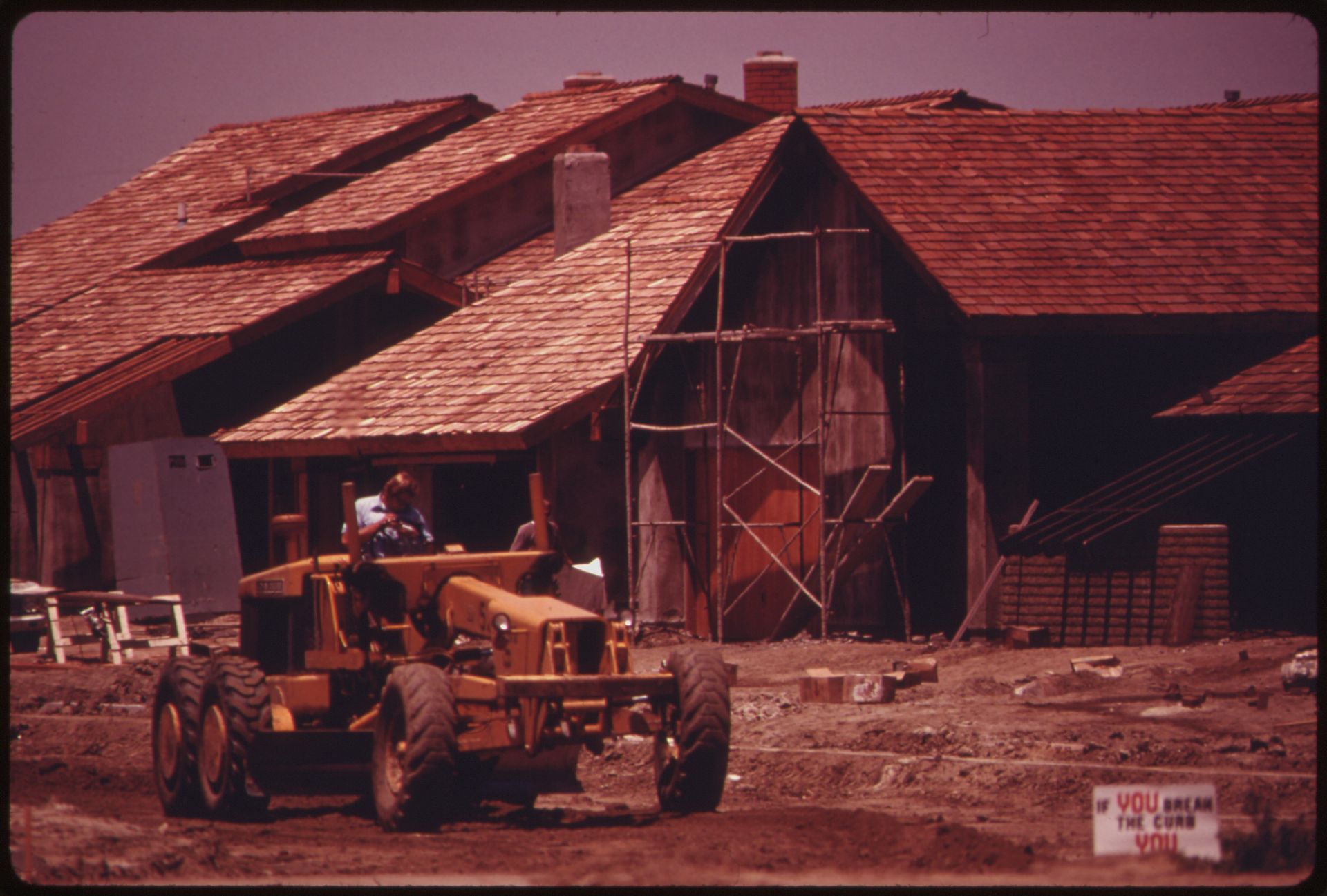
For many Orange County investors in 2026, the most resilient choice is not one universal property type: it is the home type whose income, carrying costs, and exit plan still work under conservative assumptions. A detached home with legitimate ADU potential can offer the most flexibility; a well-run townhome or condo can be the more attainable entry point; and a small multifamily property can suit experienced operators who can underwrite rents and expenses carefully.
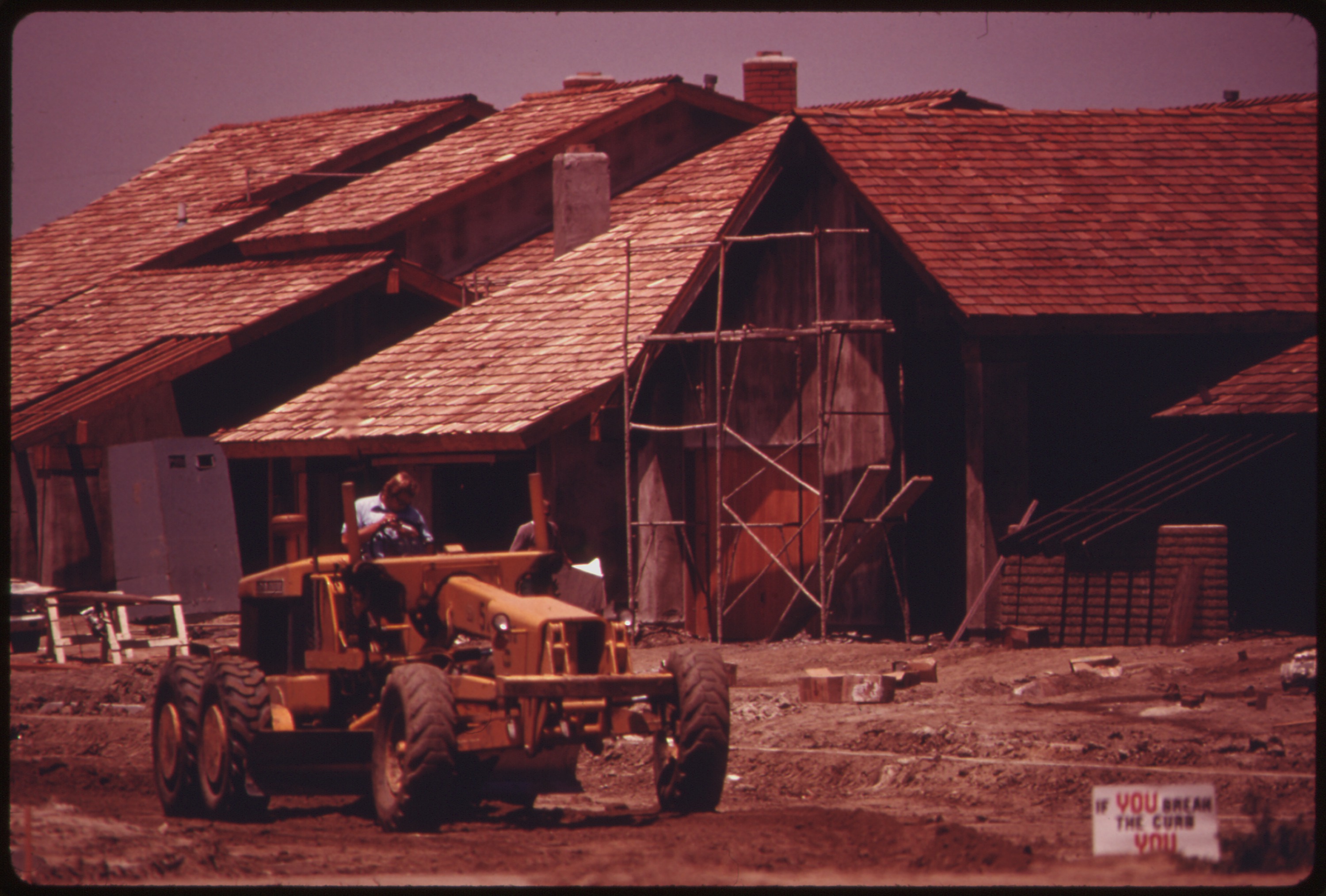
Orange County’s recent median sale price was about $1.27 million, so purchase price, financing, reserves, insurance, HOA dues, repairs, and vacancy all need to be modeled together—not treated as afterthoughts. This is educational market commentary, not a promise of return or individualized investment advice.
1. Detached homes with real ADU potential: the flexibility play
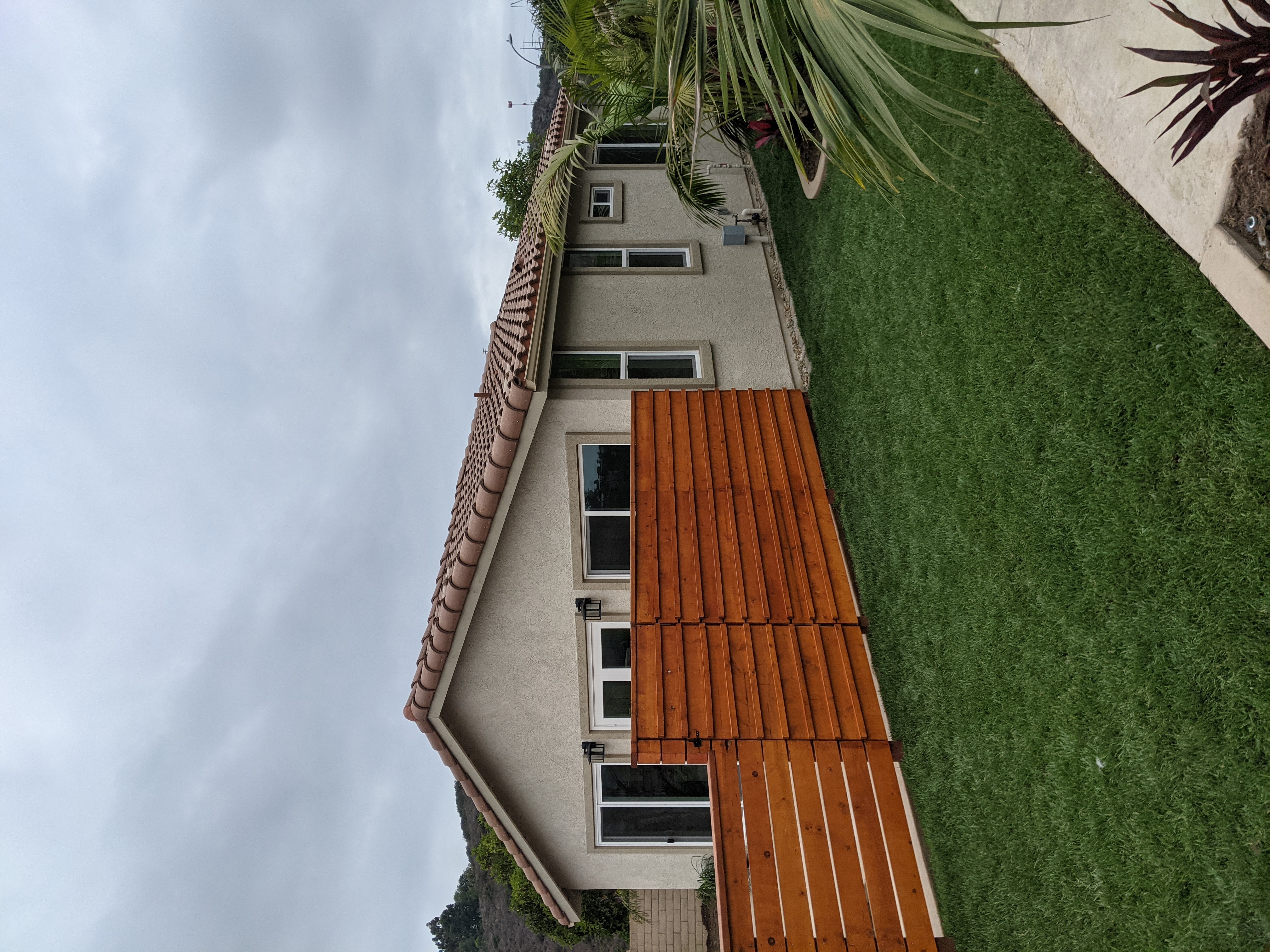
A detached home can be compelling when the lot, zoning, access, utilities, and budget support an accessory dwelling unit (ADU). The value is optionality: a future rental suite, a multigenerational layout, an office, or a guest space. It is not automatic cash flow. Each property needs a site-specific feasibility review before its ADU potential is included in an offer price.
- Check the governing city or County rules, not just a statewide headline.
- Price in plans, permits, utility work, construction, furnishings, time, and reserves.
- Confirm rental rules, parking, insurance, and the primary home’s resale appeal with and without the ADU.
2. Townhomes and condos: prioritize the building, not only the entry price
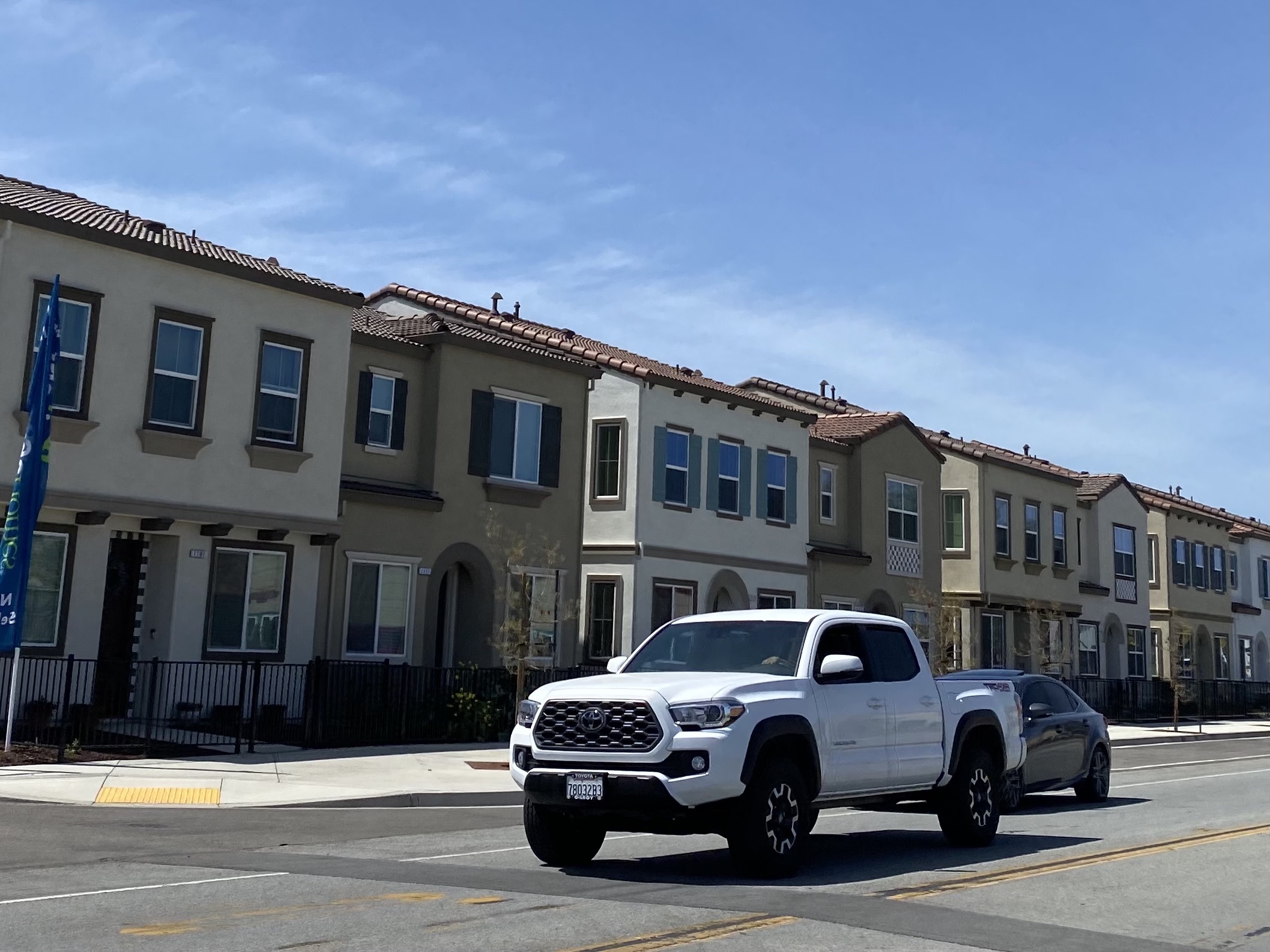
For investors whose capital is constrained, a townhome or condo in a durable location can be a practical way to enter Orange County. The tradeoff is that HOA governance and building condition can matter as much as the unit itself. Underwrite the all-in monthly cost and review the HOA’s budget, reserves, insurance, rental restrictions, special-assessment history, and upcoming projects before removing contingencies.
3. Small multifamily: operational upside, operational responsibility
Small multifamily can diversify income across units, but it requires stronger underwriting and hands-on management. Q2 2026 market reports describe high occupancy alongside new supply and modest rent growth, which is exactly why a deal should work using conservative rents, realistic vacancy, repairs, payroll or management, utilities, taxes, insurance, and financing—not a best-case rent projection.
A 2026 decision checklist
- Start with the strategy: long-term hold, owner-occupancy plus flexibility, rental income, or redevelopment—not the property type.
- Stress-test the payment and expenses against a slower lease-up, a repair, and a period of vacancy.
- Match the property to your bandwidth: ADU projects and multifamily operations are not passive by default.
- Build an exit plan that does not depend on one optimistic appreciation or rent-growth assumption.
Frequently asked questions
Is an ADU automatically allowed on every detached home?
No. California law supports ADU development, but feasibility still depends on the specific site and the applicable local process. Verify the parcel before you treat ADU income as part of the deal.
Are condos a poor investment because of HOA fees?
Not necessarily. The question is whether the HOA is financially healthy and whether the full cost, rental rules, condition, and resale audience fit the strategy. A low fee is not automatically safer if reserves or maintenance are inadequate.
What should I verify first on a small multifamily property?
Begin with current leases, in-place income, operating expenses, deferred maintenance, utility responsibilities, local rules, and financing terms. Then test the property with cautious assumptions rather than relying on pro forma projections.
Sources and image credits
Redfin Orange County Housing Market; CBRE Orange County Multifamily Figures Q2 2026; Orange County ADU guidance
Images: Orange County housing development, Charles O’Rear / U.S. National Archives (public domain); traditional California townhomes, Cristiano Tomás (CC BY-SA 4.0); ADU exterior, SnapADU (CC BY-SA 4.0), via Wikimedia Commons.
By Zoey Jin, Keller Williams Realty Irvine — serving buyers and sellers in Irvine, Laguna Niguel, Lake Forest, and across South Orange County.