Do not judge a California HOA by the monthly dues alone. Before buying, read five things together: the reserve study and budget, any special assessments, board minutes and litigation disclosures, the master insurance summary, and the documents that divide repair responsibility between the owner and the association. The goal is not to find an HOA with no problems; it is to understand which costs and restrictions will become yours after closing.
Start with the documents that affect your money and daily life
California Civil Code section 4525 requires a seller in a common-interest development to provide specified association documents. The California Department of Real Estate also warns that important ownership issues may not be visible during a physical inspection. Ask for a complete package, then confirm that the dates and property address match the unit you are buying.
- CC&Rs, bylaws, operating rules, architectural guidelines and rental restrictions
- The current annual budget report, reserve funding information and financial statements
- Current regular dues, special assessments, and approved increases that are not yet due
- Approved board meeting minutes from the previous 12 months, when requested
- Insurance summary, construction-defect notices, unresolved violation notices and available litigation information
Rules deserve the same attention as the numbers. Parking, pets, rentals, exterior changes, solar installations and flooring requirements can matter more to your daily life than a small difference in monthly dues.
1. Read the reserve study as a timing and cash-flow document
A reserve study estimates when major common-area components—such as roofs, paving, exterior paint, elevators or pools—will need repair or replacement and how the association plans to pay for that work. California law generally requires a qualifying association to conduct a visual inspection of accessible major components at least once every three years and review the reserve study annually.
Do not stop at a single “percent funded” number. Compare the expected timing and cost of the next major projects with cash already in reserves, planned annual contributions, outstanding loans and any deferred work. A low figure is not an automatic reason to walk away, and a high figure is not a guarantee. What matters is whether the funding plan is credible for the work that is actually approaching.
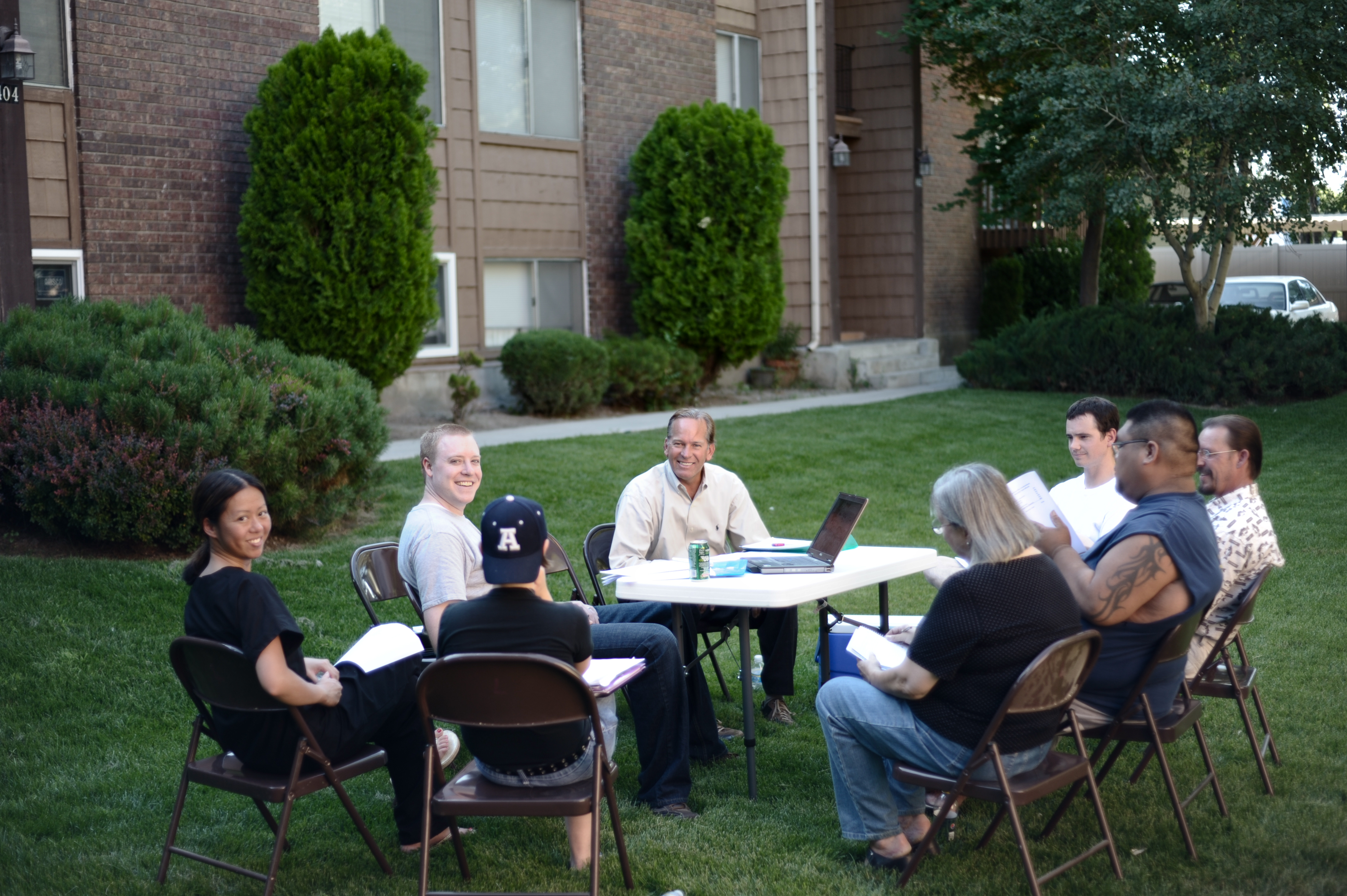
Photo: Nate Grigg, July 17, 2009, CC BY 2.0. Wikimedia Commons.
2. Look for assessments before they become your surprise
Separate three questions: Is a special assessment already approved? Is one being discussed in minutes or the reserve plan? Is the association postponing a project because it does not yet have the money? The seller package should state current regular and special assessments and approved changes that have not yet become due.
For any assessment, write down the total amount, each owner’s share, installment schedule, purpose, approval status and whether the seller or buyer will pay under the purchase agreement. If the documents are unclear, ask for a written answer rather than relying on a verbal summary.
3. Treat litigation as a question to investigate, not a label
A lawsuit can involve construction defects, insurance coverage, an owner dispute, employment or collection matters. Those situations carry very different costs. Review the board minutes, budget notes and available disclosures for the nature of the claim, its current stage, insurance involvement, deductible, legal spending and any estimate of the association’s uncovered exposure.
The DRE notes that litigation—especially construction-defect litigation—can affect reserves and may make financing or resale more difficult. Ask the lender to review the project early; a preapproval for you as a borrower does not necessarily mean the condominium project itself will meet the lender’s requirements.
4. Match the master insurance policy to your own coverage
The association’s master policy does not automatically cover everything inside your unit. Confirm what property the policy covers, the major deductibles, exclusions, loss-assessment coverage, and whether the policy is “bare walls,” “single entity,” or another form defined by the documents and insurer. Then give the master-policy information to your own insurance professional before removing insurance-related contingencies.
Rising premiums or a large deductible are not automatically deal breakers, but they change the risk you may have to carry personally. The California Department of Insurance provides consumer information on residential coverage; the final policy interpretation should come from the insurer or a qualified insurance professional.
5. Find the exact line between HOA and owner repairs
Never assume that “the HOA covers the exterior” settles the question. The CC&Rs and maintenance matrix may divide responsibility differently for roofs, balconies, windows, plumbing lines, sewer laterals, HVAC equipment, water damage, termites and exclusive-use common areas. One document may assign maintenance to the owner while another assigns replacement or insurance to the association.
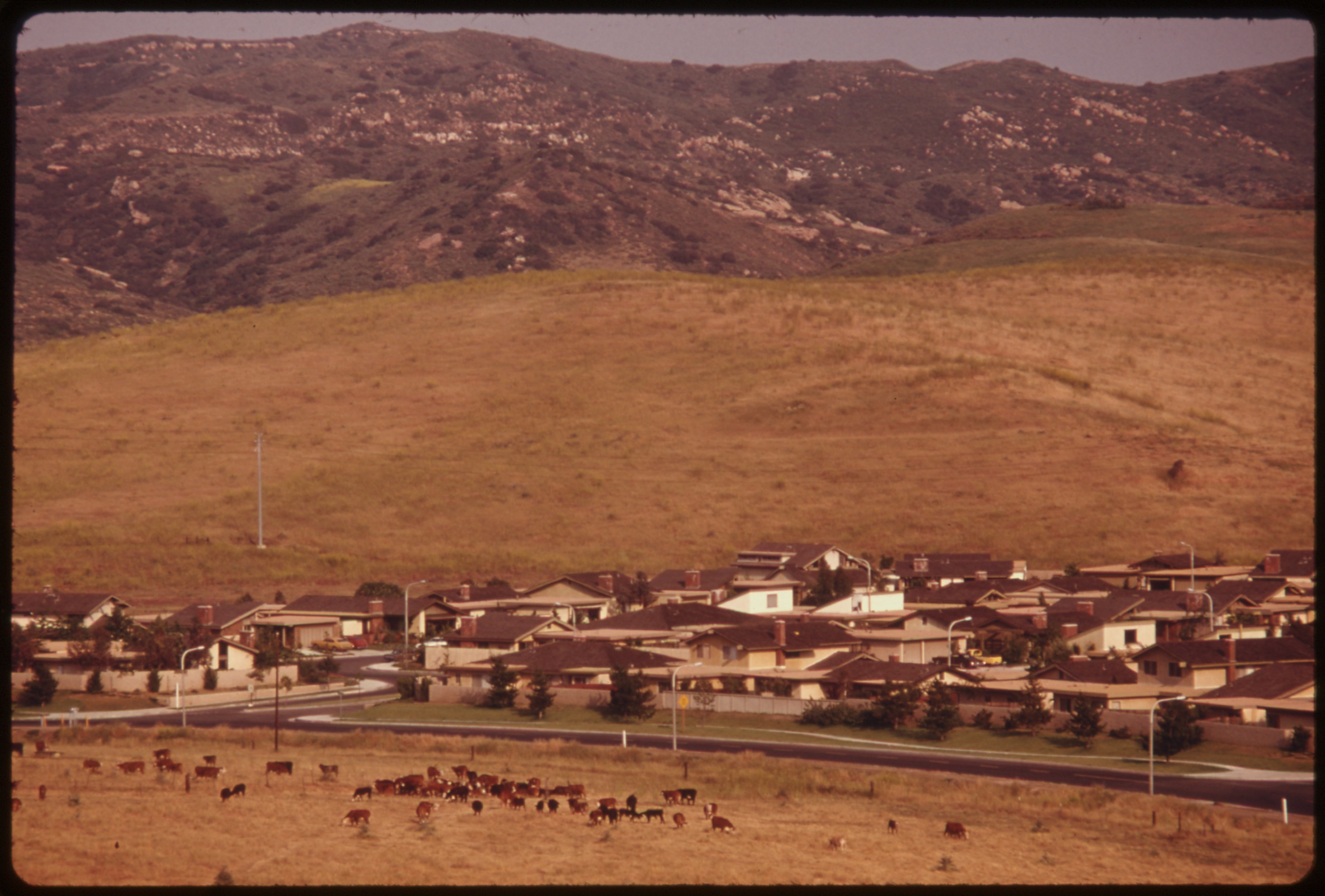
Photo: Charles O’Rear for the U.S. Environmental Protection Agency, May 1975, public domain. Wikimedia Commons source.
A practical 20-minute review order
- Confirm the package is current and belongs to the exact association and unit.
- Read the budget, reserve summary and assessment disclosures first.
- Scan 12 months of minutes for repeated water, roof, insurance, litigation and assessment discussions.
- Read the master insurance summary beside the maintenance-responsibility provisions.
- Check the rules that affect your actual plans: pets, parking, rentals and renovations.
- Send unresolved legal, accounting, insurance or lending questions to the appropriate professional before your contractual deadline.
If you want help organizing the questions for a specific Irvine or South Orange County property, you can contact Zoey. The decision remains yours, and legal, tax and insurance advice should come from the appropriate licensed professionals.
Frequently asked questions
Are low HOA dues always a good sign?
No. Low dues may reflect efficient operations, but they may also mean that reserves are underfunded or maintenance is being deferred. Compare dues with the association’s actual obligations, reserve contributions and upcoming projects.
What reserve funding percentage is “safe”?
There is no universal pass-or-fail percentage that fits every association. Age, component mix, project timing, insurance costs, loans and the board’s funding plan all matter. Focus on the cash needed for the next major projects and how the association expects to obtain it.
Does an HOA master policy replace my own homeowners policy?
Usually not. The master policy covers property and liability defined by the association’s documents and policy; it may leave interiors, personal property, deductibles, loss assessments and personal liability to the unit owner. Ask an insurance professional to coordinate the two.
Who pays for a roof, window or pipe after I buy?
The answer depends on the governing documents, maintenance matrix and facts of the loss. Do not rely on a neighbor’s experience or a listing remark. Identify whether the responsibility is for maintenance, repair, replacement or insurance, because those duties may be divided.
Can I cancel if the HOA documents reveal a problem?
That depends on the purchase contract, contingencies, delivery timing and applicable law. Ask your real estate agent and, when legal interpretation is needed, a California real estate attorney before the deadline.
Official sources
- California DRE: Common Interest Developments Require Special Care by Agents
- California DRE: Reserve Study Guidelines for Homeowner Association Budgets
- California Civil Code section 4525
- California Civil Code section 5300
- California Civil Code section 5550
- California Department of Insurance: Residential insurance resources
Image credits
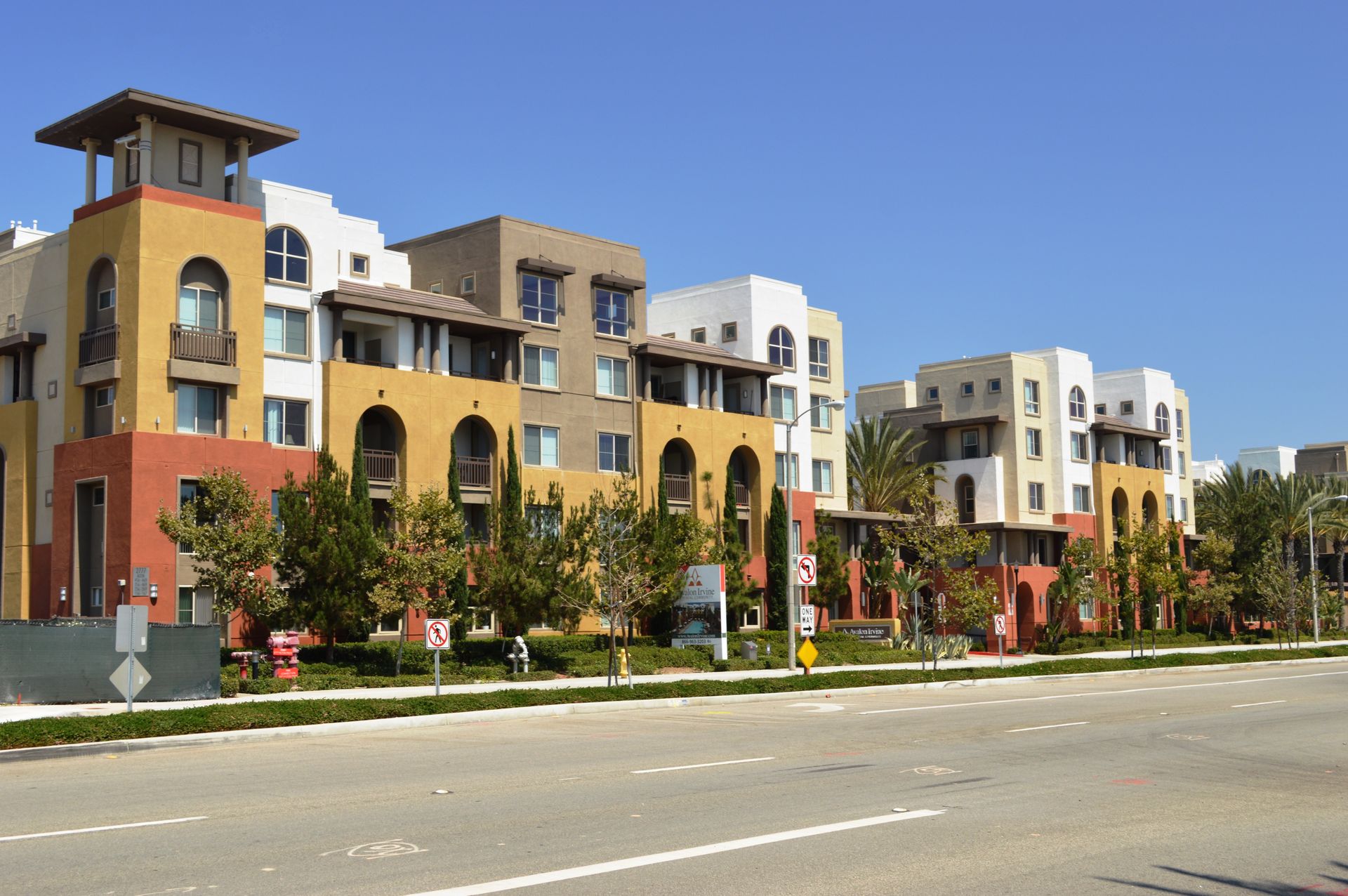
Cover: Nandaro, August 9, 2014, CC BY-SA 4.0. Wikimedia Commons.
By Zoey Jin, Keller Williams Realty Irvine. Serving Irvine, Laguna Niguel, Lake Forest, and buyers and sellers across South Orange County.